Breath Work for Beginners: Who Can Benefit and How It Differs from Natural Breathing
Breath work for beginners offers a powerful way to enhance physical, emotional, and mental well-being. This article explores who can benefit from breath work and explains how guided techniques in a class differ from our natural breathing patterns.
What is Breath Work?
Breath work is about conscious breathing. That is, being aware of our breathing. Breath work involves using a variety of breathing practice techniques to help with overall health and well-being. These practices can range from simple counted breathing exercises to more advanced methods designed explore how the breath works in the body. All exercises promote well being and good health overall.
Who Can Benefit from Breath Work?
1. Individuals with Stress and Anxiety
Breath work is highly effective in managing stress and anxiety.
- Calming the Nervous System: techniques such as gentle counted breathing exercises activate the parasympathetic nervous system, promoting relaxation and well being.
- Reducing Cortisol Levels: regular practice can lower cortisol, the body’s primary stress hormone.
- Dealing with Immediate Stress: counted breathing exercises such as boxed breathing can help move a stressed state of mind to a calm state of mind within just a few minutes.
2. People with Sleep Disorders
Breath work can help improve sleep quality.
- Promoting Relaxation: Evening and bedtime breath work routines can help prepare the body for restful sleep.
- Regulating Sleep Patterns: Techniques like alternate nostril breathing and harmonious breathing help balance the nervous system, aiding in better sleep regulation.
- Regulating Breathing while Sleeping: regular daily breath work practice improves the efficacy of breathing generally and assists with better breathing at any time of the day, including while sleeping.
3. Athletes and Fitness Enthusiasts
Athletes use breath work to enhance their performance and recovery.
- Increasing Lung Efficacy: Breath work exercises strengthen respiratory muscles and help athletes to improve their lung efficacy thereby using more of their lung capacity.
- Improving Focus and Endurance: Techniques like box breathing enhance mental clarity and physical stamina.
- Improved Approach to Physical and Mental Stress: Daily breath work exercises assist athletes in adopting a more calm and measured approach to dealing with the physical and mental stresses made on them.
4. Individuals with Chronic Pain and other ailments
Breath work can be a complementary approach to managing chronic pain.
- Pain Management: Controlled breathing techniques can reduce the perception of pain and can help the individual’s mind ‘switch off’ from the pain whilst practicing breath work exercises in the moment.
- Improving Mobility: Breath work helps relax muscles, making physical therapy more effective.
- Improve Respiratory Efficacy: Regular breath work helps with lung function generally and can improve the efficiency of every breath.
- Improved Digestive Problems: Regular breath work helps with relaxing the digestive system thereby assisting with healthy digestion. Breath work also teaches how to breathe from the belly which assists with the health of the digestive system generally.
5. People Seeking Emotional Balance
Breath work supports emotional well-being and resilience.
- Enhancing Mood: Regular counted breathing stimulates a sense of peace, safety and well being and stimulates the release of endorphins, the body’s natural mood elevators.
- Reducing Symptoms of Depression: Regular breath work can help manage symptoms of depression by regulating emotions and promoting a sense of well being generally. Breath work makes people feel good.
How Breath Work Differs from Natural Breathing
Natural Breathing
Natural breathing, also known as unconscious or automatic breathing, is the body’s default method of respiration.
- Shallow Breathing: Most people naturally breathe shallowly, primarily using the chest and upper chest.
- Involuntary Process: Controlled by the autonomic nervous system, requiring no conscious effort.
- Limited Awareness: Often occurs without awareness of the breath’s rhythm or depth.
Breath Work in a Class Setting
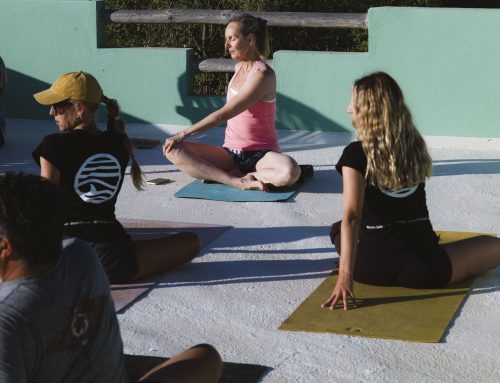
Breath work classes introduce structured and intentional breathing techniques that differ significantly from natural breathing.
1. Awareness and Control
Breath work emphasises conscious awareness of breathing and control of the breath.
- Mindful Breathing: Breathing Practice brings a focused attention on the breath in the body and may enhances mindfulness.
- Controlled Patterns: Specific counted breathing techniques regulate the rhythm, depth, and pace of breathing. Some techniques focus more on breath control while others may focus on the pause between breaths.
2. Techniques and Exercises
Breath work classes offer a variety of breath work exercises designed to achieve different outcomes.
- The Three Part Breath: Introducing the three part breath that starts from the belly, up into the rib cage and the upper chest, exploring the movement of the diaphragm and the rib cage through the three parts of a lengthened breath.
- Box Breathing: Introduces a series of pauses at the end of the inhalation and the end of the exhalation at regular intervals. This is a gentle breathing exercise that brings about mindfulness rest and relaxation.
- Alternate Nostril Breathing: Balances the body’s energy by inhaling and exhaling through different nostrils and promotes relaxation.
3. Guided Practice
In a class, breath work is always guided by an instructor who provides clear instructions.
- Structured Sessions: Classes follow a structured format with specific goals and techniques.
- Feedback and Adjustment: Instructors offer feedback and help adjust techniques for maximum benefit.
4. Environment
The environment of a breath work class is designed to facilitate relaxation and focus.
- Calm Atmosphere: Quiet, soothing environments enhance the breath work experience.
- Supportive Community: Group settings provide a sense of community and shared experience.
Breath Work Techniques for Beginners
1. Belly Breathing
Also known as abdominal breathing, this technique explores taking the breath to the bottom of the belly by expanding the diaphragm in a lengthened breath.
How to Practice:
- Sit or lie down comfortably.
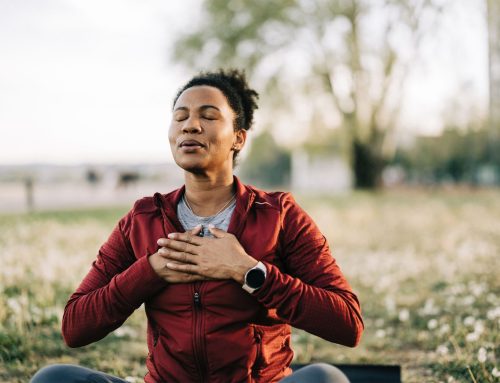
- Place one hand on your chest and the other on your abdomen.
- Relax the muscles in your face, focusing on relaxing the lower jaw
- Inhale gently through your nose to the count of 4, allowing your abdomen to rise.
- Exhale gently through your mouth to the count of 6, feeling your abdomen fall.
- Repeat this exercise extending the counts on the inhalation and the counts on the exhalation to whatever feels comfortable.
2. Box Breathing
A simple yet powerful technique used to calm the mind and body.
How to Practice:
- Inhale gently through the nose for 4 counts.
- Hold for 4 counts.
- Exhale slowly through the mouth for 4 counts.
- Hold for 4 counts.
- Repeat for between 3 mins and 6 mins for maximum effect.
3. Alternate Nostril Breathing
Balances the body’s energy and calms the nervous system.
How to Practice:
- Sit comfortably and close your right nostril with your right thumb.
- Inhale gently through your left nostril to the count of 4
- Close your left nostril with your right ring finger and hold, retaining the breath for 4 counts
- Keeping your fingers on the left nostril, exhale gently through the right nostril to the count of 8
- Inhale gently through the right nostril to the count of 4, close both nostrils, retain the breath for 4 counts,
- Keeping your fingers on the right nostril, exhale gently through the left nostril to the count of 8
- Repeat
Incorporating Breath Work into Daily Life
Morning Routine
Start your day with breath work to energise your body and mind.
- Morning Meditation: Combine breathing exercises with meditation.
- Affirmations: Use positive affirmations while practicing deep breathing. For example: “I am grounded” “I am centred” “I am well” “I am loved” “I am loving” “I am worthy” etc.
Work Breaks
Take a pause in the day to incorporate short breathing exercises during work breaks to reduce stress and improve focus.
- Box Breathing: Practice box breathing for 2-3 minutes.
- Mindful Breathing: Close the eyes, bring your awareness to your breathing, breathing softly and gently through the nose, noticing the gentle rise and fall of the chest. Start to lengthen the inhalation, notice how you feel. Do this for 3 breaths. Then focus on the exhalation, lengthen the exhalation. Do this for 3 breaths. Repeat.
Evening Wind-Down
Use breath work techniques to unwind and prepare for restful sleep.
- Belly Breathing: Practice belly breathing to relax your body, noticing the belly rise and fall as you inhale and exhale.
- Body Scan: Perform a body scan while focusing on your breath. Ensure you relax the muscles in the face especially the lower jaw.
Conclusion
Breath work for beginners offers so many benefits, ranging from stress reduction and improved sleep to enhanced physical performance and emotional balance. Unlike natural breathing, breath work involves intentional and guided techniques that really can transform your health and well-being. By incorporating breath work into your daily routine, you can experience profound improvements in your overall quality of life. Start your journey with breath work today and unlock the potential of conscious controlled breathing.
Embrace breath work for beginners and discover how guided breathing techniques can enhance your health, reduce stress, and improve your overall well-being.