Breathwork and Sports: Insights from Novak Djokovic
Inspired by, and grateful for, an incredible summer of sports we have enjoyed this year including the Euros 2024, Wimbledon and the Paris Olympics (and my own race at the London Triathlon), I have been reflecting on the importance of breath work in sports by focusing on one question:
Q: What is the most important thing athletes can do for their mental well-being?
A: Conscious breathing.
Considering the long history of the Olympics the matter of mental well-being for athletes is a relatively new topic. It wasn’t until the Tokyo Olympics 2020 that issues of mental health entered the athletic arena, most notably articulated by the gold medalist US gymnast Simone Biles who paved the way for others to speak out. Biles withdrew from the Tokyo Olympics in 2021 after losing her bearings in midair, otherwise known as the ‘twisties’. There was speculation at the time about whether Biles was injured or sick but the truth was she was not feeling mentally fit to compete. Biles spoke out about the pressure on mental health from competing in sports at such a high level and prioritised her mental health above participating in the Tokyo Olympics spearheading a new conversation in sports health generally about the importance of the mental well-being of athletes and the impact of mental health on athletic performance, applicable to professional and non professional athletes across the world.
This new openness about mental health was very much present in the Paris Olympics. Team GB athletes such as Bryony Page, Holly Bradshaw and Adam Peaty talked openly about their struggles to stay in the sport at Olympic level. (“Ive been on a self-destructive spiral…” said Adam Peaty). So how are these athletes managing the pressure on their mental health?
This question was the exact question put to Novak Djokovic, the 37 year old super star tennis player who knows a thing or two about top level sport, in a short interview at the Paris Olympics on 29 July 2024 captured on an Instagram reel and sent to me by a friend.
Djokovic’s short answer was: “conscious breathing”.
Adding: “The number one thing is to learn how to consciously breathe. It may sound weird as we all know how to breathe but I think conscious breathing, really learning how to master that skill, helps with better sleep, better recovery, more presence in the moment. Breathing always centres you….”
Djokovic, is an interesting athlete known for using ‘alternative’ techniques to assist his sporting excellence. He compares his practice and techniques for improving focus and resilience to his physical training for athletic fitness, emphasising the need for dedicated techniques to help with the mental health challenges in high pressure sports situations. Djokovic’s dedicated mental techniques and practices include conscious breathing.
So what is “conscious breathing”?
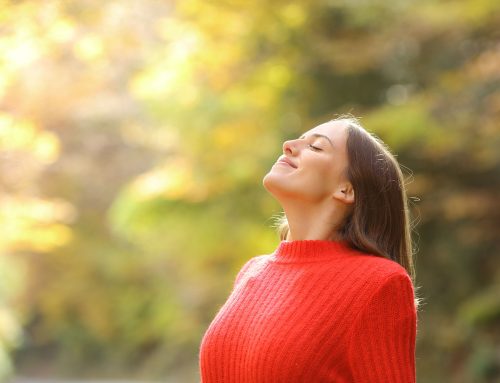
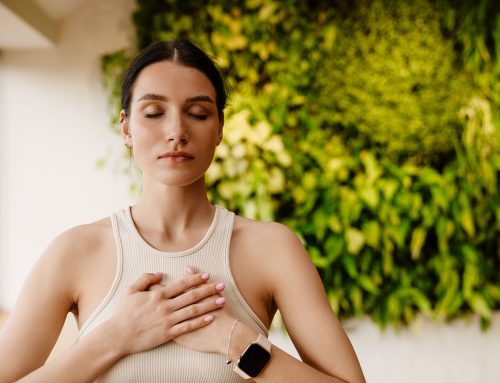
Conscious or counted breathing exercises are simple exercises that help connect body and mind, bringing about a sense of peace and relaxation from within. They are simple exercises that help you tune into your body and calm a busy mind.
The England football squad reportedly adopted the simple breathing technique of ‘in for 5 out for 5’ during the Euros 2024. Even The Sun newspaper headline credited conscious breathing for England’s penalty success at the games! We call this sort of breathing exercise ‘connected breathing’ – when you breathe in and out for the same count repeatedly.
During competition and races and despite their training, physical gifts and positive mindset, athletes are likely to experience doubts and fears, fears that are then heightened due to the high pressure situation (e.g. at international games). These doubts and fears are universal – we all experience them from time to time. The key to dealing with these doubts and fears is by recognising them for what they are, that is, just passing emotions, and to do this we use conscious breathing. Conscious breathing helps self-regulate our emotions, allowing ourselves to re-set ourselves within within just a few breaths. That means being calm with yourself and your thoughts.
Scientific studies have shown repeatedly that as you change your breathing pattern you change your emotional state. So the more you practice conscious breathing – which brings about a calm mind and a calm state of being – the better you will feel generally. Once you feel calm, you can recalibrate your thoughts and bring yourself back into the moment, whether that be at the beginning of a race, at a penalty shoot-out or on the tennis court in front of tens of thousands of fans.
Examples of conscious breathing are: connected breathing (inhale and exhale for the same count continuously); boxed breathing (a pattern of inhale, hold, exhale, hold for the same counts continuously); and, harmonious breathing (inhale 4, hold 7, exhale 8). Practicing conscious breathing for just 5 minutes a day can make a difference to your mental well being generally, connecting you to your breath in the body, stimulating the vagus nerve and bringing about a sense of peace and calm to the body and mind. Practicing for longer, such as 20 or 30 mins each day is optimal.
References/ Links:
https://time.com/6084499/simone-biles-mental-health-olympics/?utm_source=roundup&campaign=olympics
https://time.com/6088078/mental-health-olympics-simone-biles/
https://www.theguardian.com/sport/article/2024/may/07/mental-fit-zones-ai-online-abuse-support-athletes-paris-2024-olympics
https://www.theguardian.com/sport/2023/apr/24/adam-peaty-on-mental-health-ive-been-on-a-self-destructive-spiral-swimming
https://www.thesun.co.uk/sport/29043474/england-penalty-shootout-breathing-coach/#:~:text=Sandeman%20instructed%20players%20to%20breathe,to%20perform%20at%20your%20best.